


For women considering breast surgery, concerns about the appearance of scars and how they may change over time are common and entirely valid. Understanding why scars form and how they can be managed is an important part of making an informed decision.
The aim of what is discussed below is to help patients understand potential scarring and scar management after their breast surgery better; however, it’s not a substitute for personalised medical advice from an RACS certified plastic surgeon during a consultation.
Why Scarring Occurs After Breast Surgery
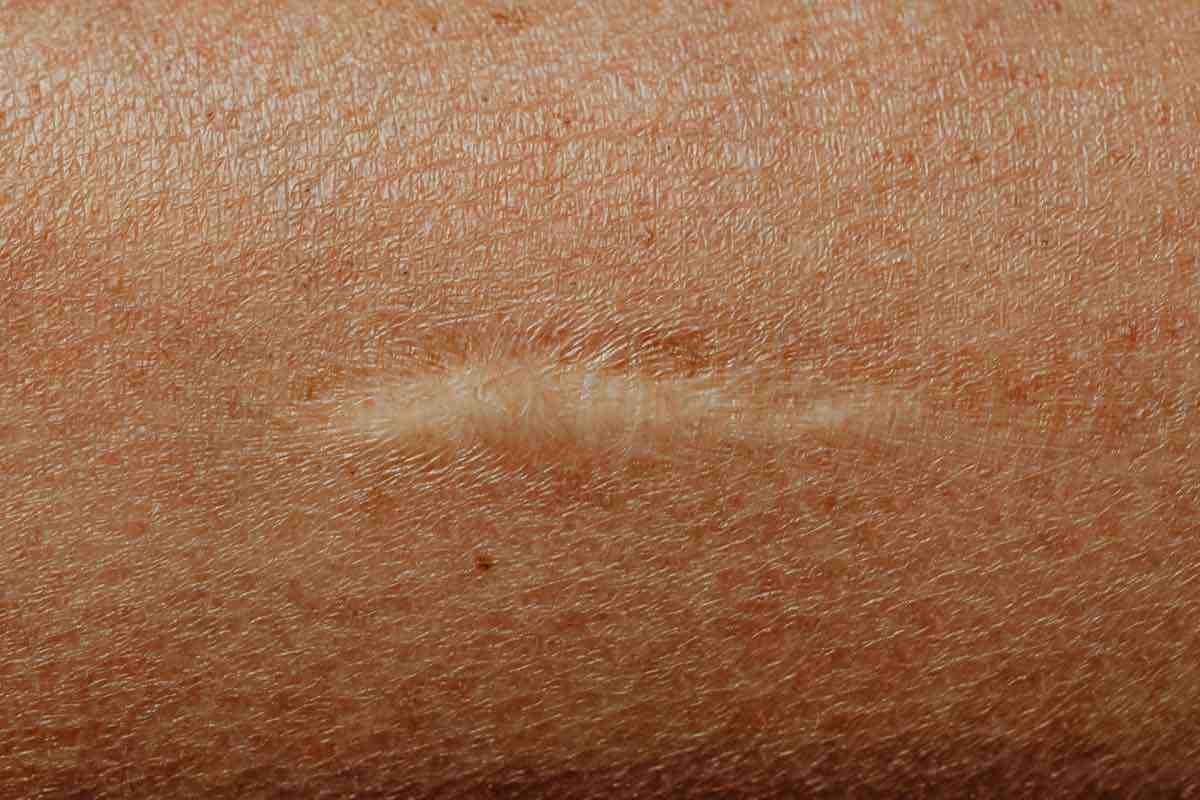
Scars develop as part of the body’s normal wound-healing process. When the skin is surgically incised, the body responds by producing collagen fibres to repair the area. This repair tissue forms a scar that is structurally and visually different from the surrounding skin.
Breast surgery procedures require carefully planned incisions to allow safe access to the underlying tissue. While surgical techniques aim to minimise unnecessary trauma and place incisions in less conspicuous areas, the final appearance of scars is influenced largely by individual biological healing responses.
From a medical perspective, scarring is influenced by factors such as genetics, skin type, blood supply, hormonal influences, and the degree of inflammation during healing. These variables explain why scar outcomes can differ significantly between individuals.
How Breast Surgery Scars Typically Heal
Scar healing occurs in stages and continues well beyond the initial recovery period. In the early weeks following breast surgery, scars may appear red, firm, or slightly raised. This phase reflects increased blood flow and active collagen production.
Over subsequent months, scars usually begin to soften, flatten, and gradually fade in colour. Clinically, full scar maturation often takes 12 to 18 months, and sometimes longer. During this time, changes in texture, colour, and sensitivity are considered part of the normal healing process.
Some individuals may develop more noticeable scars, such as hypertrophic scars, where excess collagen remains within the incision boundaries. Less commonly, keloid scars may form when scar tissue extends beyond the original incision. Anyone can form a keloid scar, but some people are much more prone to them than others. Keloids are most common in people with darker skin tones, usually appear in people up to 30 years of age, and often run in families, suggesting a strong genetic tendency. They are also more likely in certain body sites, such as the chest, shoulders, earlobes and upper arms, and after specific types of skin injury, such as burns, piercings, acne, or surgery. These outcomes are related to individual healing tendencies rather than surgical error.

Medical Factors that Influence Scar Formation
Several medically recognised factors can affect how scars develop following breast surgery. These include:
- Skin characteristics: Thickness, elasticity, and pigmentation can influence scar visibility.
- Genetic predisposition: Some individuals are more prone to thicker or more pigmented scars.
- Wound tension: Increased tension across incision lines may result in wider scars.
- Inflammation and swelling: Prolonged inflammation can affect collagen organisation.
- Blood supply: Adequate circulation supports effective tissue repair.
- Hormonal factors: Pregnancy, breastfeeding, and hormonal changes may influence healing.
Understanding these factors highlights why scar management is considered a medical component of post-operative care, not solely a cosmetic concern.
Principles of Scar Management After Breast Surgery
Scar management after breast surgery focuses on helping incisions heal into flatter, softer, and less noticeable scars while minimising symptoms such as pain, itching, or tightness. It is a long-term process that can include careful surgical closure, good postoperative wound care, supportive garments, and evidence-based topical therapies like silicone gels or sheets. Once the wounds are fully healed, measures such as gentle scar massage and, where appropriate, professional treatments (for example, laser or steroid injections) may be used to improve scar texture and comfort. Together, these strategies aim to lower the risk of raised, wide, discoloured, or uncomfortable scars and to support both physical comfort and body confidence after breast surgery. Scar management strategies are usually introduced in stages and tailored to the individual.
Silicone-Based Scar Therapies
Silicone gels and sheets are commonly used in post-surgical scar care. Clinically, silicone is understood to help maintain appropriate hydration of healing skin and may reduce excessive collagen production, which can contribute to raised scars.
Sun Protection
Ultraviolet exposure can cause scars to darken and become more noticeable. From a medical standpoint, protecting healing scars from sun exposure is particularly important during the first year after breast surgery.
Scar Massage and Skin Care
Once incisions have fully healed and it is medically appropriate, gentle scar massage may be recommended. This can help improve scar flexibility and reduce tightness or sensitivity in the surrounding tissue.
Ongoing Medical Review
Regular follow-up appointments allow for monitoring of scar development. If scars show signs of abnormal thickening or discomfort, additional medical management options may be discussed based on individual assessment.
Breast Surgery and Scarring Considerations
Scarring is a relevant consideration for all forms of breast surgery. While the extent and location of scars vary depending on the procedure, the underlying principles of healing and scar formation remain consistent.
From a clinical perspective, breast surgery is performed with careful planning of incision sites to ensure safe access to breast tissue and appropriate reshaping or correction. However, the final appearance of scars is influenced by individual healing responses rather than the procedure alone. For this reason, discussions about scarring are an important part of pre-operative planning for all types of breast surgery with your RACS Certified plastic surgeon.
When considering any breast surgery, individuals are encouraged to reflect on factors such as their personal scarring tendencies, skin characteristics, lifestyle demands, and willingness to engage in appropriate scar management. A comprehensive consultation allows expectations to be discussed in the context of medical history, anatomical considerations, and long-term goals.
Functional, Medical, and Quality of Life Considerations for Breast Surgery
Breast surgery may be considered for a range of physical, functional, or medical reasons, depending on the procedure:
- Breast Reduction is often explored where breast size contributes to symptoms such as chronic neck, shoulder, or back pain, postural strain, skin irritation, or difficulty engaging in physical activity.
- Breast Lift may be considered where breast ptosis (sagging) contributes to discomfort, skin irritation, or functional concerns related to breast position.
- Breast augmentation may be performed to address volume loss following pregnancy, weight changes, or breast asymmetry that causes physical discomfort or functional imbalance.
- Nipple inversion surgery may be considered where inversion leads to concerns about their appearance or functional challenges, such as difficulties with breastfeeding.
In each case, the presence of surgical scars is weighed against the potential benefits of addressing symptoms that may affect daily comfort, function, or the patient’s well-being.
Frequently Asked Questions About Breast Surgery Scarring
Q: Are scars from breast surgery permanent?
A: Yes. All surgical scars are permanent. However, they typically become less noticeable over time as they mature.
Q: How long does it take for scars to settle after breast surgery?
A: Initial wound healing occurs within weeks, but scar maturation commonly takes 12 to 18 months.
Q: Do different breast procedures result in different scars?
A: Yes. Scar location and extent vary depending on the procedure: breast augmentation, breast lift, nipple inversion correction, and breast reduction, will have different scar locations and incision types.
Q: Can scar appearance be improved after surgery?
A: While scars cannot be removed entirely, appropriate management may help improve their appearance and comfort.
Q: What should I do if my scars become raised or uncomfortable?
A: If scar changes cause concern, medical review allows for appropriate assessment and management.
Informed Expectations and Long-Term Care
From a medical standpoint, scar management focuses on supporting healthy healing rather than guaranteeing a specific cosmetic result. Individual healing responses vary, and no surgical procedure can promise a particular scar outcome.
For women considering breast surgery for functional or medical reasons, understanding scarring as a normal part of the healing process can help support realistic expectations. Ongoing care, monitoring, and adherence to medical advice play an important role in achieving the best possible long-term outcome.